

In these reflections I have exploring the John Main prayer which many people recite before their daily meditation. The prayer begins: Heavenly Father, Open our hearts to the silent presence of the Spirit of your Son. In this reflection, I’d like to explore the phrase ‘the Spirit of your Son’.
We are asking that our hearts be open to the Presence of the Spirit of God’s Son. It is important to remember that we are not seeking a mental experience but we are leaving ourselves open to a silent presence which has the power to transform us. We enter this Presence in a spirit of willingness rather than wilfulness: we accept that we cannot bring anything other than ourselves to the table; the rest is up to God. And because it is a silent experience which we apprehend rather than comprehend, we only come to appreciate over time the fruits it brings about in our daily activities and behaviours.
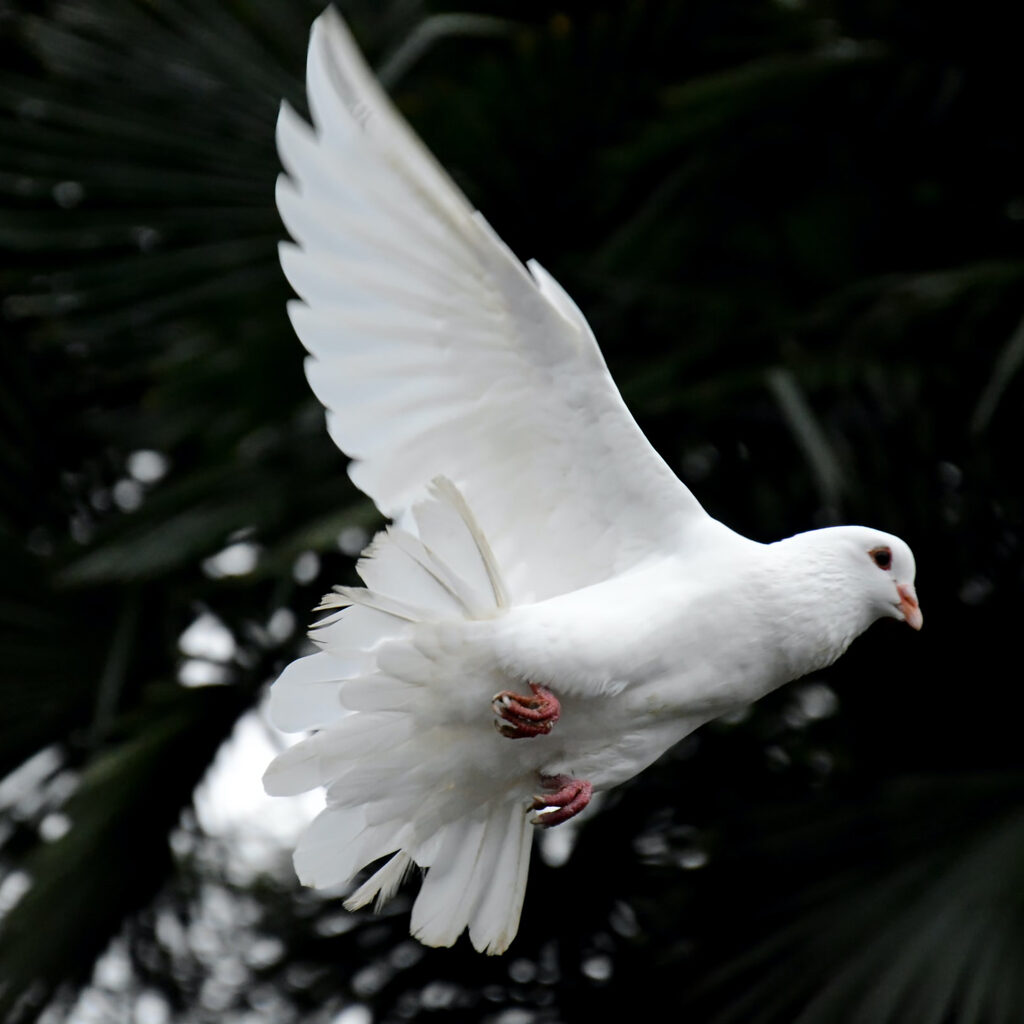
John Main reminds us that all religious traditions assert that ‘it is only in accepting silence that we can come to know our own spirit, and only in abandonment to an infinite depth of silence that we can be revealed to the source of our spirit’. Faithfully repeating our sacred word in meditation brings about stillness of mind and body and leads us ‘through the spheres of silence to see with wonder the light of our own spirit, and to know that light as something beyond our spirit and yet the source of it.’ This experience awakens us ‘to the eternally fresh source of our being.’ But this awakening occurs in the heart, not the mind. Although it remains a dim apprehension, we do not doubt its authenticity as ‘day by day we are inwardly renewed’ (2 Cor 4:16). As a daily practice, meditation makes us keenly aware of the mystery alive within us at all times and that awareness changes how we live in the world; it changes our relationship not just with our thoughts but with our self-understanding; and it changes our relationship with others and all of creation.
We come to understand that we are called to grow into full personhood and to appreciate that the divine spark within us is also in every other person and thing. As we begin to appreciate that this growth to personhood is not narrowly individualistic we come to know ourselves as an integral part of the whole of creation. We come to experience ourselves and others as loved by God, as intimately connected to the reality that is Love. As John Main expresses it: ‘The first step in personhood is to allow ourselves to be loved.’
It is our understanding as Christians that the Holy Spirit dwells within each person, awakening us to our true identity and living out the divine mystery within us; that, through the Spirit, Jesus is a living personal presence at the centre of our being, calling us to become fully conscious of who we are at this deepest level of our being. Through meditation this consciousness can develop in the twinkling of an eye and grow ‘to consciousness of the communion within God in which we are called to share,’ to an awareness that ‘we are alive with the life of God’ (1 Peter 4:6).
While we tend to think of prayer as a mental activity where we say our prayers and while some see prayer as a duty we perform to please God or to appease God or to invoke God to grant a request, John Main asserts that we are most truly praying when we are awakening to the presence of the Spirit in our hearts. He says that ‘Prayer is the life of the Spirit of Jesus within our human heart’ (my emphasis) and reminds us that while we remain silent ‘the Spirit is pleading for us in our inmost being, beyond words, beyond thoughts, beyond images, with sighs too deep for words’ (Romans 8:26). In other words, for John Main, prayer is ‘the stream of love between the Spirit of the risen Jesus and His Father, in which we are incorporate.’ That prayer is always going on within us, whether we are aware of it or not. But in meditation ‘we make a complete turn of consciousness toward this ever-present reality’ and there can come a level of awakening when ‘our awareness of this reality remains constant’ as we go about our daily activities and live out our lives.
Our faithfulness to the mantra becomes ‘our echoing response to the love-cry of the Spirit’ to the extent that we ‘persevere in our renunciation, at the time of our meditation, of our thoughts, imaginations, of our very self-consciousness.’ As our mantra, our sacred word, becomes rooted more deeply with our consciousness, it promotes the ‘integration of all levels of our being with the source of our being, the source that calls the whole person back into itself, awakened through the Spirit of Jesus.’ The aim in meditation then is to realise who we are at the deepest level of our being, as children of God. The repetition of our word is our pathway to ‘acceptance of the absoluteness of God’s love flooding our heart through the Spirit of the risen Jesus.’
I invite you now to spend some time in the stillness and silence of meditation where you can begin to experience that truth for yourself.

