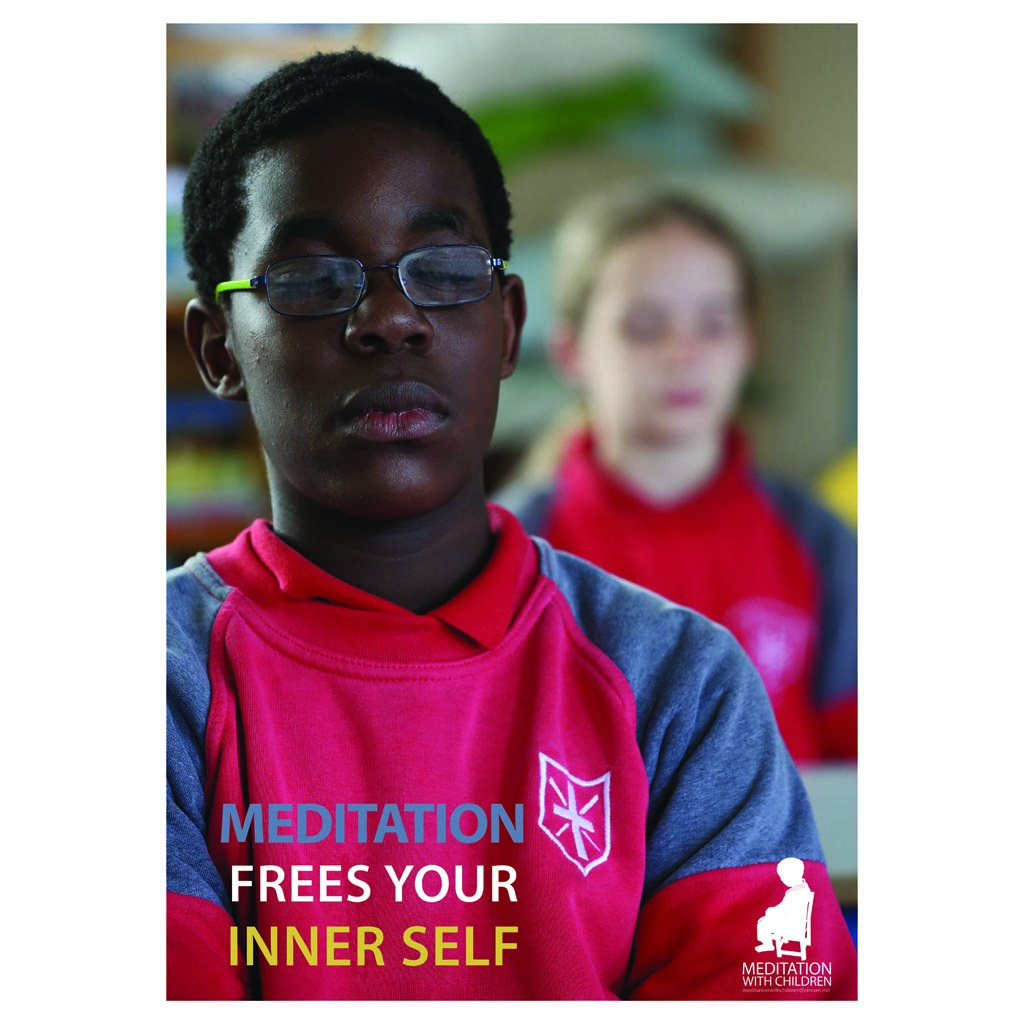
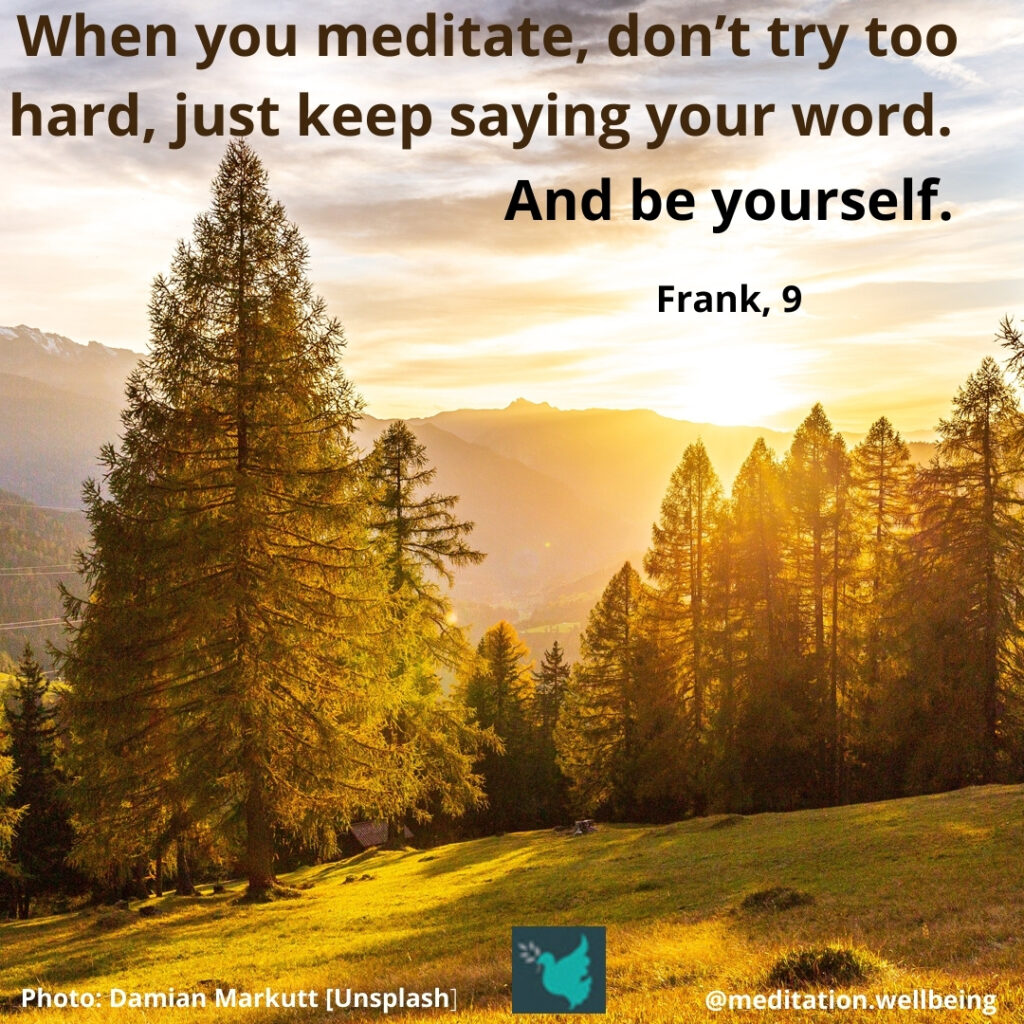
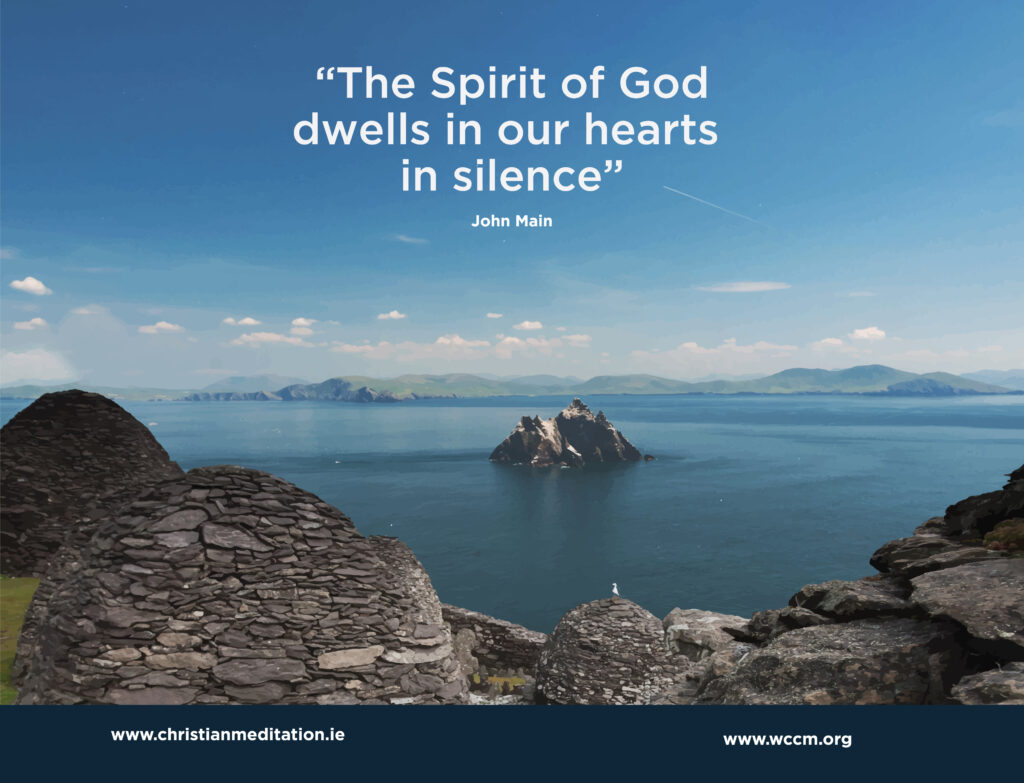
While the most important thing about meditation is the practice itself, it is important also to talk with children about their experience of the practice. Teachers and parents should create opportunities, every now and then, to talk with the children about how sitting in stillness and silence helps us to discover who we really are and to discover the other deep fruits of meditation.
For religious education to contribute in a meaningful way to children’s spiritual growth requires an opportunity for children to share their own stories. Such opportunities enable their spiritual experience to be affirmed, helping them to appropriate for themselves that which cannot be expressed in words and giving them confidence in the truth of their own inner wisdom.
Dr Lisa Miller, wrote The Awakened Brain, a groundbreaking exploration of the neuroscience of spirituality. In it she explores aspects of her research into the neuroscience of spirituality.
In this short video she outlines how neuroscience demonstrates that all human beings are born equipped with an innate capacity for spirituality and how it explains why our brains become more resilient and robust as a result of this universal capacity.
The Teacher by Rosemerry Wahtola Trommer
In the garden of wisdom, she did not step in as head gardener. Instead, she tended her own planting. She showed me how to weed the stories we tell ourselves, how inner spaciousness is the richest soil for growth. She did not do the tilling for me. Inquiry became my hoe. She offered questions free as rain water. And when it was time to sow, from her own rows she gathered seeds. She did not do the planting. She handed the seeds to me
Take a moment to read the poem a number of times and ask yourself what resonates with you? Rosemerry Trommer wrote this poem in honour of her contemplative teacher, Joi Sharp, from whom she had learned so much about living contemplatively. This poem speaks to the essence of teaching as a vocation. As Parker J Palmer expresses it ‘Our deepest calling is to grow into our own authentic self-hood, whether or not it conforms to some image of who we ought to be. As we do so, we will find not only the joy that every human being seeks – we will also find our path of authentic service in the world.’ Teaching is not about filling children’s heads with knowledge, but about helping them to discover who they are in the depths of their being. We introduce them to the culture into which they have been born and we teach them skills to interrogate it and see beyond it. This involves looking inwards as well as outwards. The best teachers help children to access their inner spaciousness and develop true-self esteem. The greatest gift a parent or teacher can give a child is the capacity to question and to have confidence in their own inner wisdom. Meditation, the practice of sitting still in body and mind, is such a teacher. It helps adults and children alike to ‘weed the stories we tell ourselves’ and to discover that our ‘inner spaciousness is the richest soil for growth.’
Online Meditation at 7:30 p.m. on every Thursday & Sunday evening, Irish time.