


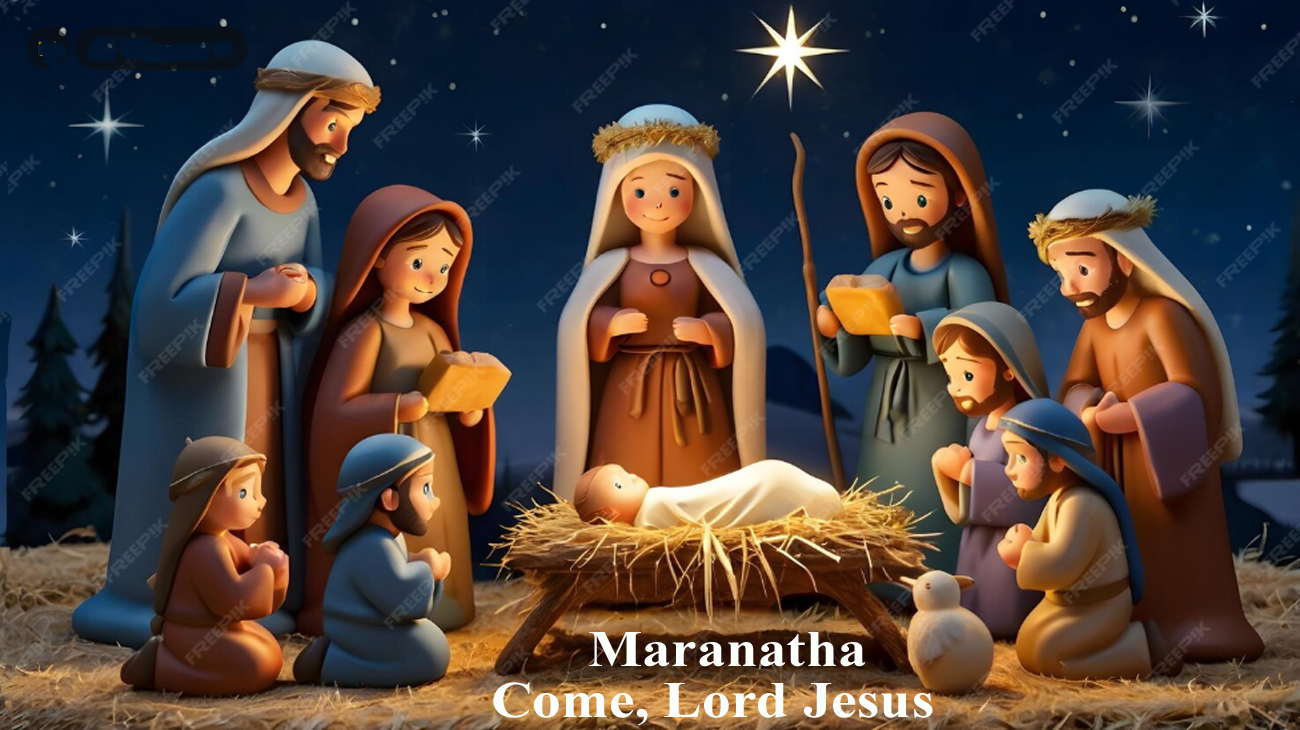
As you meditate with the children and as the bell rings three times at the start of the meditation, remind the children of the words of 12-year-old Alex who said that when she hears the bells ring at the start of meditation, she imagines God is ringing her doorbell and she opens her heart to let God in.
As we enter the last week of the school year, we wish you all a truly blessed, happy and peaceful Christmas. And we thank you very sincerely for supporting the practice of whole-school meditation with the children in your school.
It will bear fruit in their lives, not just for now, but fruits that last a lifetime. Even if the children cease the practice after they leave your school, it is a practice they can return to anywhere, anytime. Teachers too! Remember, you can join in on our online poetry meditations any Thursday and Sunday evening at 7:30 p.m. See the links at the end of the newsletter.
Perhaps you have let the practice of meditation in your classroom has lapsed this year? Christmastime is a great opportunity to begin again, inviting the children to open their hearts to the Spirit of God, to make room for Jesus to be born in their hearts this Christmas.
The Advent journey, culminating in Christmas, is very like our meditation journey. The aim of both is the birth of Christ in our hearts. We are not merely recalling an event that occurred over 2,000 years ago but we pray that Christ may be born anew in our hearts, right now. That is why we meditate. Meditation is a prayer of the heart, where we let go of all thinking and we simply choose to be with God in stillness and silence.
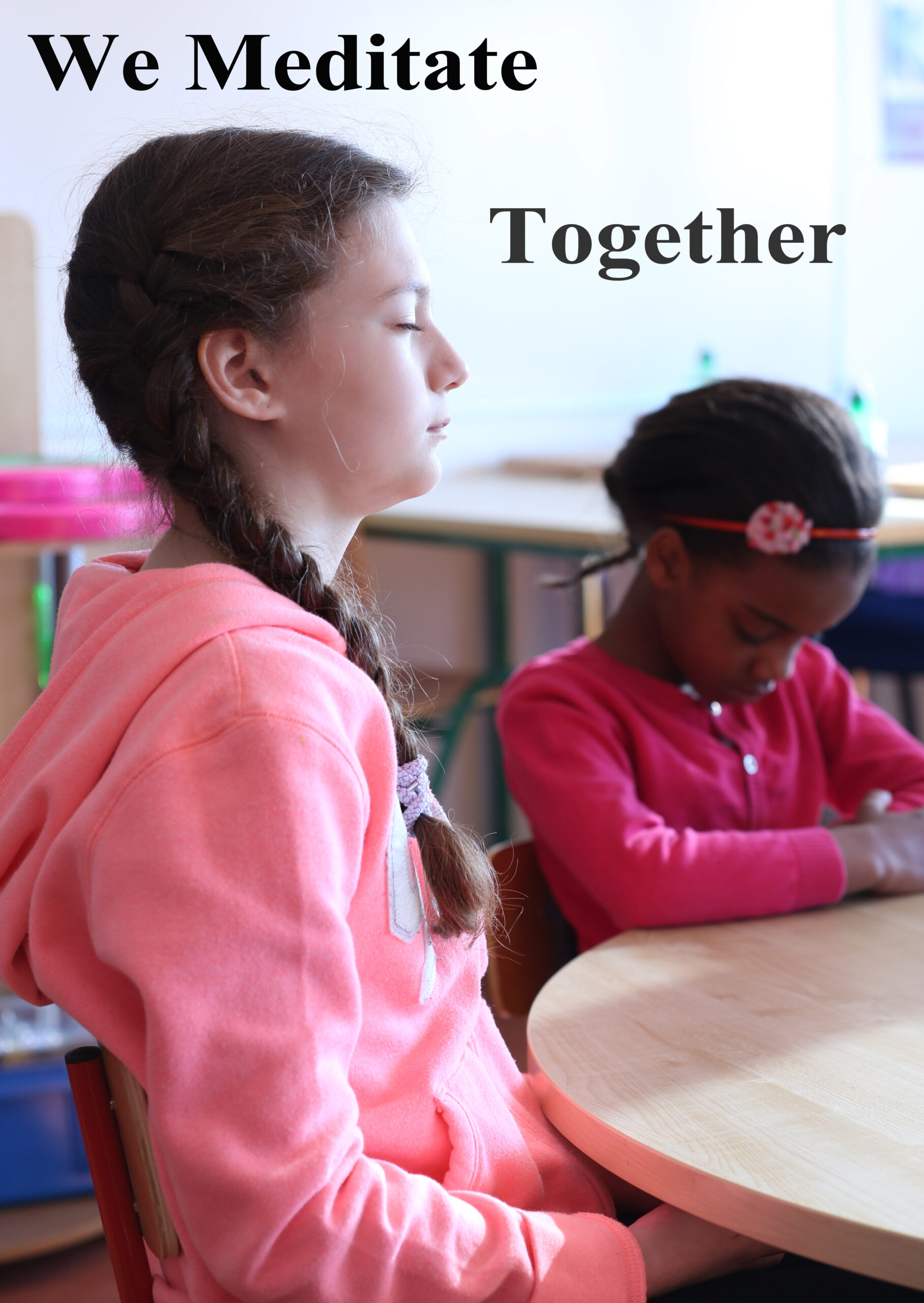

Descent by Luci Shaw
Down he came from up,
and in from out,
and here from there.
A long leap,
an incandescent fall
from magnificent
to naked, frail, small,
through space,
between stars,
into our chill night air,
shrunk, in infant grace,
to our damp, cramped
earthy place
among all
the shivering sheep.
And now, after all,
there he lies,
fast asleep.
from Accompanied by Angels: Poems of the Incarnation
Reflection: I love the striking simplicity of this poem, especially the first and last three lines. The final three lines capture how we tend to see Christmas – an innocent Jesus newly born, sleeping softly and peacefully in the stable. And the first three reflect deeply on the mystery of the incarnation. The opening lines have such a simple syntax yet conveys great depth, which is developed in the following lines where she describes the Incarnation as a long leap, an incandescent fall from magnificent to naked, frail, small. We need to read those lines slowly and absorb their meaning into our consciousness. Referencing our knowledge of the star in the East that guided the three Wise Men, she compares Jesus’ birth to a luminous falling star which lands in a stable in Bethlehem: into our chill night air, shrunk, in infant grace, to our damp, cramped earthy place among all the shivering sheep.
The Incarnation is a miracle and a mystery, presented to us by the Church as a an act of letting go by God who sent His Son to take on our human nature in order to raise us up to the Divine. The poet here does not dwell on the theology of the Incarnation – as with her poem Kenosis, she simply marvels at the mystery in hushed tones and quiet words. Jesus came down. He came here, to us.
And, just as it started, the poem concludes with three simple lines and now, after all, there he lies, fast asleep. After this glorious miracle, there is the Christ child doing the most mundane thing possible, sleeping, suggesting perhaps, that He has now lost all awareness of His divine consciousness. He must soon begin his human journey before awakening in time to His true-self – as we must all do. He will learn – as meditation teaches us – that he is not a human being on a spiritual journey but a spiritual being on a human journey.
Shaw once said that ‘To grasp a fleck of that beauty and meaning, to form a symbol (a “putting together”) or parable (a “throwing together with”) and oppose it to the diabolical (“a tearing apart from”) is the task of the artist.’ I can present an intricate image to you and you can receive and understand a thought through your own frame of reference which, because it is specific to you, enriches it and adds a new dimension to it.
May our faithfulness to our practice renew the birth of Christ in our hearts this Christmas.

